
Using Autobiographical Elements In Poetry
Poets have often used a gripping personal drama as an organizing structure within which to write poetry of greatContinue Reading
Poets have often used a gripping personal drama as an organizing structure within which to write poetry of greatContinue Reading
Ms. Bernheim writes poetry that, like Mary Shelley, wakes the dead monster, shocking its cerebral cortex into life and giving it a beating heart that doesn’t want to be someone’s bloody experiment. It is a type of poetry whose art of presentation is breathtakingly fresh.
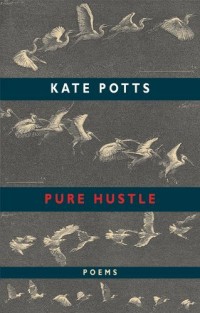
You can tell that Potts has a very high poetry I.Q., as this volume demonstrates her ability to engage in descriptive and affecting portraiture, which I think is her greatest gift.
Liz Berry is the Emerging Poet in Residence at Kingston University and already the owner of a distinguished publishing andContinue Reading
Okay, indulge me. Gather round while I tell you a story about something that has been going on for theContinue Reading
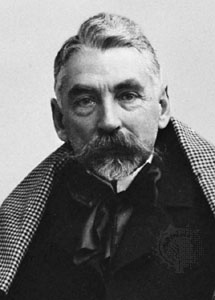
In this impressionistic translation of Stephen Mallarmé’s sonnet, “Le chevelure vol d’une flame à l’extrême,” I have attempted to discloseContinue Reading
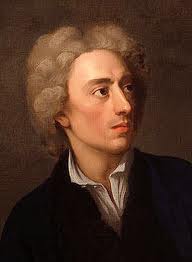
[Revised March 8, 2018] In my despair for the state of the art of contemporary poetry, especially in light ofContinue Reading
Interesting panel discussion by Marjorie Perloff, Helen Vendler, Susan Wheeler, a young Stephen Burt and others. http://www.jacketmagazine.com/12/psa-panel.html Also read StephenContinue Reading
Ricks sees Empson’s perception grounded in his “magnanimity,” i.e., his complete grasp of the sensibility bearing upon literary expression and the real-world circumstances to which it is addressed. So, when Empson examines the select authors in Using Biography, noticing that critical appreciation had focused on their misplaced link to Christianity, Empson finds fertile ground by attacking the question from another side, showing that this lens was in fact a way to misapprehend their work.
Science has also shown that our sense of being “in love” is the product of the hormonal activities of phenylethylamine, norepinephrine and dopamine. In The Casual Perfect, Ms. Greenlaw has found a way to tap these hormones so that receptive readers experience a sense of love’s intoxication, its joy and pain, as if “jacked-in” to its Matrix. Indeed, this may be the greatest book of poetry about being in love since Elizabeth Barrett’s Sonnets from the Portuguese, for like that great work Ms. Greenlaw has made the trajectory of a personal love story the heartbeat of this volume.

 AGAINST INTERPRETATION